Coming To A City Near You
Atlas Retaining Walls designs and installs engineered retaining wall systems across Los Angeles County. We specialize in complex hillside and canyon properties common throughout the LA Basin.
Our systems are built to handle seismic activity, challenging soil conditions, and strict local permitting requirements while delivering long-term structural performance.
We provide Segmental Retaining Walls and Slope Stabilization solutions tailored to Los Angeles conditions.
Atlas connects property owners with local specialists for installation, repair, replacement, and engineering of retaining wall systems.
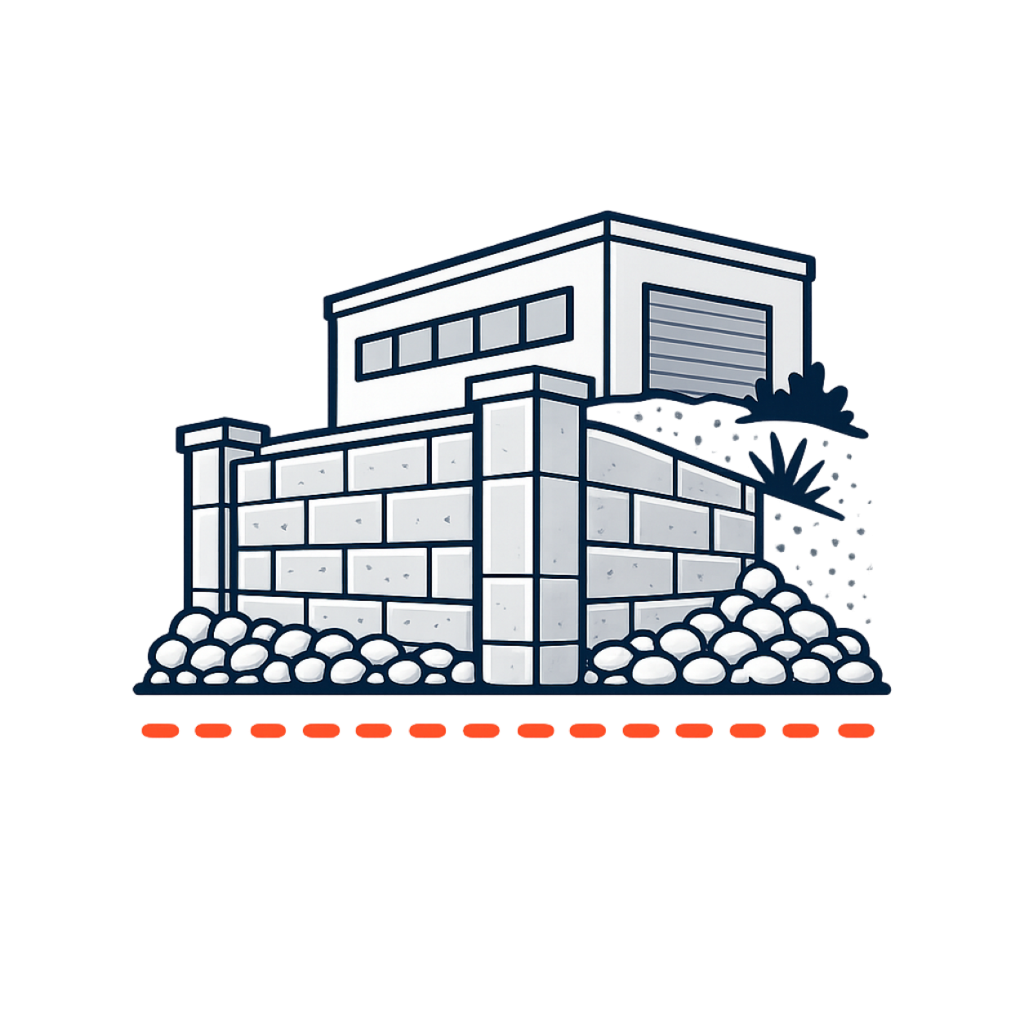
Engineered block retaining wall systems designed for structural performance, drainage integration, and long-term durability.
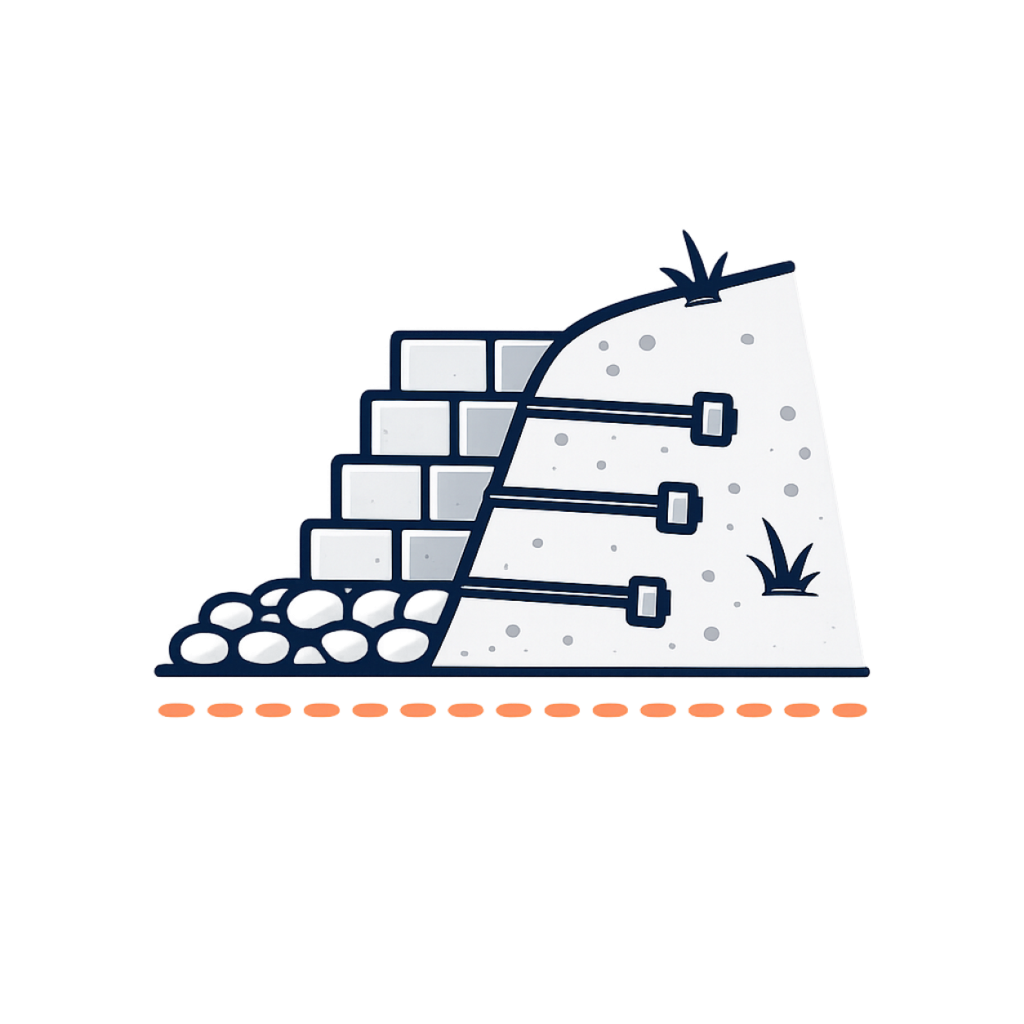
Engineered solutions to stabilize slopes, prevent soil movement, and protect structures from erosion and failure.
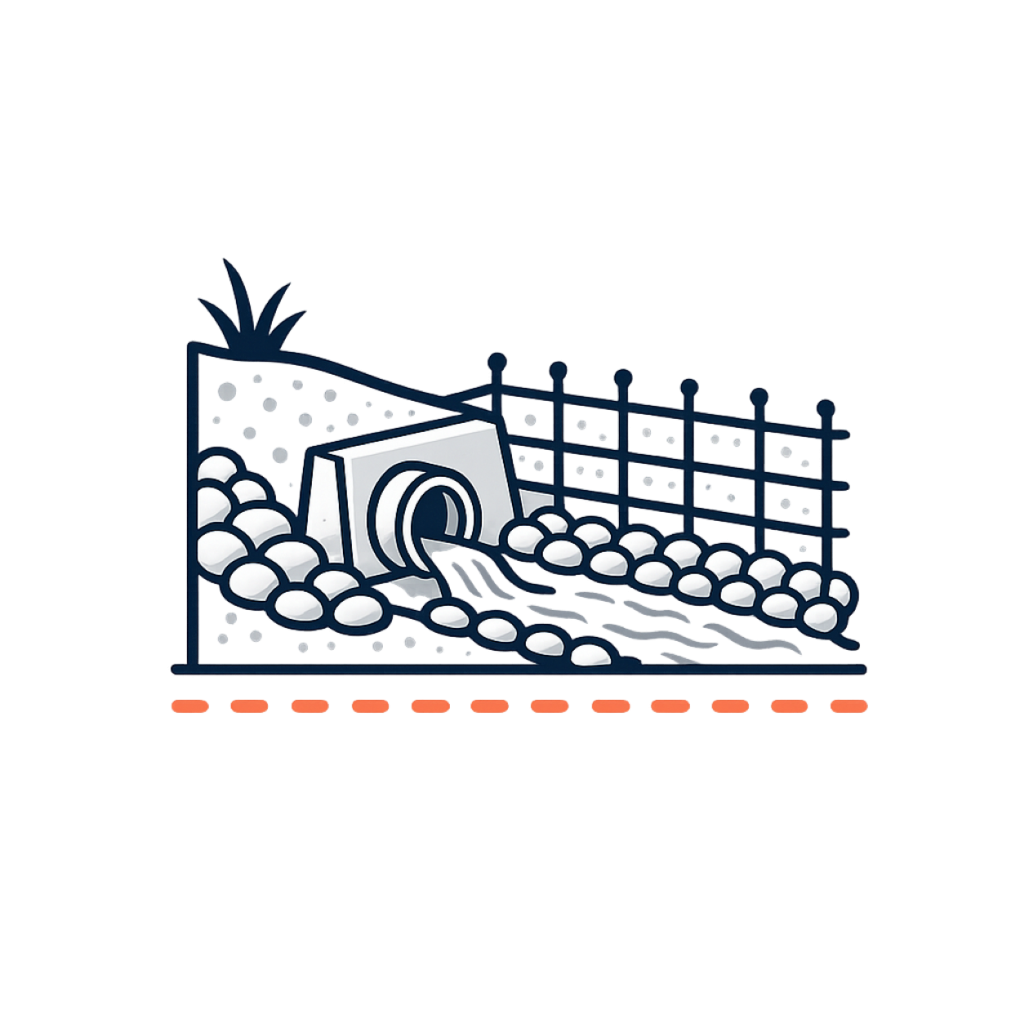
Integrated drainage systems designed to manage water flow, reduce hydrostatic pressure, and prevent erosion.
Heavy-duty retaining wall systems for commercial sites, roadways, and large-scale structural support projects.
Navigating the San Diego Development Services Department (DSD) or the County’s Land Development Manual is the most complex part of any project. In San Diego, height is measured from the bottom of the footing to the top of the wall, meaning a wall that looks “short” may still trigger a permit.
Requirement
Status
Wall exceeds 4 feet in height
Permit Required
Wall supports a driveway, structure, or steep slope
May Require Permit
Pennsylvania-licensed engineering drawings
Sometimes Required
Footing inspection and final inspection
Common Requirement
Permit application coordination
Handled When Needed
Wall exceeds 4 feet in height
Permit Required
Wall supports a driveway, structure, or steep slope
May Require Permit
Pennsylvania-licensed engineering drawings
Sometimes Required
Footing inspection and final inspection
Common Requirement
Permit application coordination
Handled When Needed
| Wall Scenario | Permit Status | Engineering Level |
|---|---|---|
| Under 3 Feet | Generally No* | Standard Foundations |
| 3' to 6' High | YES | Standard Structural Plans |
| Over 6' High | YES | Geotech + Structural Report |
| Surcharge Load | YES | Mandatory Engineering Review |
*Note: "Surcharge" includes walls supporting driveways, pools, or slopes steeper than 2:1.
Requirement
Status
Retaining wall systems in the Pittsburgh area must be built to handle slope pressure, drainage requirements, soil movement, and freeze-thaw conditions common throughout Western Pennsylvania.
Many Pittsburgh-area properties feature retaining walls built with railroad ties in the 1990s and early 2000s. These systems typically reach the end of their functional lifespan after 15-20 years due to rot and structural degradation.
Atlas Retaining Walls of Pittsburgh specializes in replacing failing timber walls with modern segmental retaining wall systems – with Versa-Lok dry-stacked systems commonly preferred for their durability and performance in Western Pennsylvania conditions.
Atlas Retaining Walls of Pittsburgh brings over 20 years of experience in concrete and retaining wall construction. Our team has completed a wide range of residential and commercial projects across the region, from landscape retaining walls and patios to large-scale structural systems. We specialize in engineered retaining walls designed to handle Pittsburgh’s challenging terrain, soil conditions, and drainage requirements while delivering long-lasting, high-quality results.
Retaining walls in Western Pennsylvania must handle steep slopes, drainage challenges, and shifting soil conditions. Our team builds systems designed specifically for Pittsburgh properties.
With over 20 years in concrete and retaining wall construction, our team understands what it takes to build walls that remain stable and durable for decades.
From backyard landscape walls to large commercial retaining systems, we provide solutions tailored to the needs of each property and project scope.
Every project is built using durable materials and proven construction methods to ensure long-term strength, stability, and performance.
Los Angeles hillside soils are often expansive or unstable and can shift with moisture changes, making proper base preparation and drainage essential for retaining wall stability.
Walls in LA must be engineered to withstand seismic events. We utilize geogrid reinforcement and increased footing depths to ensure structural integrity during regional earth movement.
Pittsburgh’s topography creates unique challenges for retaining wall construction:
Access Constraints: Many Pittsburgh properties have limited access for equipment, requiring specialized installation techniques and careful planning.
Multi-Tier Terracing: Steep slopes often require multiple retaining walls at different elevations to create usable space and manage drainage effectively.
Existing Infrastructure: Aging retaining walls, utility lines, and neighboring structures must be considered during design and construction.
Drainage Complexity: Hillside properties require careful attention to water movement patterns to prevent undermining existing structures or creating drainage problems for neighboring properties.
Initial assessment of existing conditions, including slope, soil type, drainage patterns, access, and proximity to structures or property lines.
Based on site conditions, a wall system is selected and designed. For walls requiring permits, engineering coordination is arranged as needed.
Installation proceeds in phases: site preparation, foundation installation, drainage system, wall construction, backfill, and final grading.
For permitted projects, inspections are coordinated with the building department. The property owner receives documentation of the completed work.
Permitting requirements may apply depending on wall height, location, and municipal regulations. Atlas Retaining Walls coordinates with local building codes, engineering requirements, and inspections when needed to ensure the project meets Pennsylvania guidelines.
Atlas Retaining Walls of Los Angeles provides engineered retaining wall solutions for the following high-priority regions:
In Los Angeles, our focus is on high-seismic reinforcement and hillside stabilization in compliance with local LABC standards.
Explore more about our company on our About page.
Yes. Retaining wall permits in Los Angeles are required for most walls over 3 feet in height (measured from the bottom of the footing), and virtually all structural or hillside walls require both permits and engineering. The Los Angeles Department of Building and Safety (LADBS) enforces these requirements citywide, with additional rules applying in hillside zones, fire hazard severity zones, and areas near faults.
Yes – and they’re often essential for safety. Hillside retaining walls in Los Angeles are used throughout neighborhoods like Silver Lake, Echo Park, Mount Washington, Hollywood Hills, and Bel-Air to stabilize slopes, prevent landslides, and protect structures. LA’s hillside grading ordinances require engineered solutions for most slope-stabilization work.
Absolutely. Los Angeles is in one of the most seismically active regions in the country, and retaining walls must be designed to resist lateral forces from earthquakes in addition to standard soil pressure. This typically means engineered reinforcement, deeper footings, and construction that complies with CBC seismic design categories. Atlas builds to code – and beyond.
Segmental concrete block, reinforced poured concrete, and concrete masonry units (CMU) are the most commonly specified materials for retaining walls in Los Angeles. These materials perform well across LA’s varied terrain – from the sandy soils near the coast to the expansive clay soils in the San Fernando Valley and the rocky hillside conditions in the canyons.
Drainage is one of the most critical elements of any retaining wall in Los Angeles. Hillside properties are especially vulnerable to hydrostatic pressure buildup after rain events, which can cause walls to crack, lean, or collapse entirely. Atlas installs gravel drainage aggregate, perforated drain pipe, and surface drainage systems as part of every retaining wall project to protect against water-related failure.
Erosion control on LA hillside properties requires a combination of properly designed retaining walls, compacted backfill, drainage infrastructure, and in some cases native revegetation or erosion control fabric. After heavy rainfall events – which LA hillsides are increasingly susceptible to – inadequate slope stabilization can result in significant property damage. Atlas designs integrated erosion control systems alongside every retaining wall installation.
Retaining wall construction timelines in Los Angeles vary based on project scope, access, permits, and site complexity. Most residential retaining wall projects take 2 to 7 days on-site. Larger hillside stabilization systems or multi-tiered walls in areas with limited access – common in canyon neighborhoods – may take 2 to 4 weeks. LADBS permit processing can add additional lead time, and Atlas manages that process for you.
Retaining wall costs in Los Angeles typically range from $45 to $100+ per square foot, depending on the wall height, material, engineering requirements, site access, and permitting complexity. Hillside projects and engineered walls in fire hazard severity zones tend to be at the higher end. Atlas offers free on-site estimates and transparent pricing so you know exactly what you’re getting before any work begins.
The most common causes of retaining wall failure in Los Angeles are inadequate drainage leading to hydrostatic pressure, insufficient engineering for seismic loads, improper backfill compaction, and walls that were built without permits or to outdated standards. Aging walls – especially those built before modern CBC requirements – are particularly vulnerable. If you have an existing wall showing signs of leaning, cracking, or shifting, Atlas can assess and replace it before failure occurs.
Have more questions?
Visit our Retaining Wall FAQ for answers about our process, materials, local building codes, permitting, and more.