Coming To A City Near You

Retaining Wall Installation in
Pittsburgh, PA

Engineered for Pittsburgh’s Clay Soils, Freeze-Thaw Cycles, and Steep Hillsides

Atlas Retaining Walls designs and installs engineered retaining wall systems across the Pittsburgh region. Every project is built for local soil conditions, drainage requirements, and long-term structural performance – not just appearance.

Built to meet Pennsylvania code and perform through decades of seasonal change.

For expert retaining wall solutions in Pittsburgh, we offer Segmental Retaining Walls and Slope Stabilization.

Our Retaining Wall Services

Atlas connects property owners with local specialists for installation, repair, replacement, and engineering of retaining wall systems.

Segmental Retaining Wall icon

Segmental Retaining Wall Systems

Engineered block retaining wall systems designed for structural performance, drainage integration, and long-term durability.

Slope Stabilization icon

Slope Stabilization

Engineered solutions to stabilize slopes, prevent soil movement, and protect structures from erosion and failure.

Drainage and Erosion Control icon

Drainage & Erosion Control

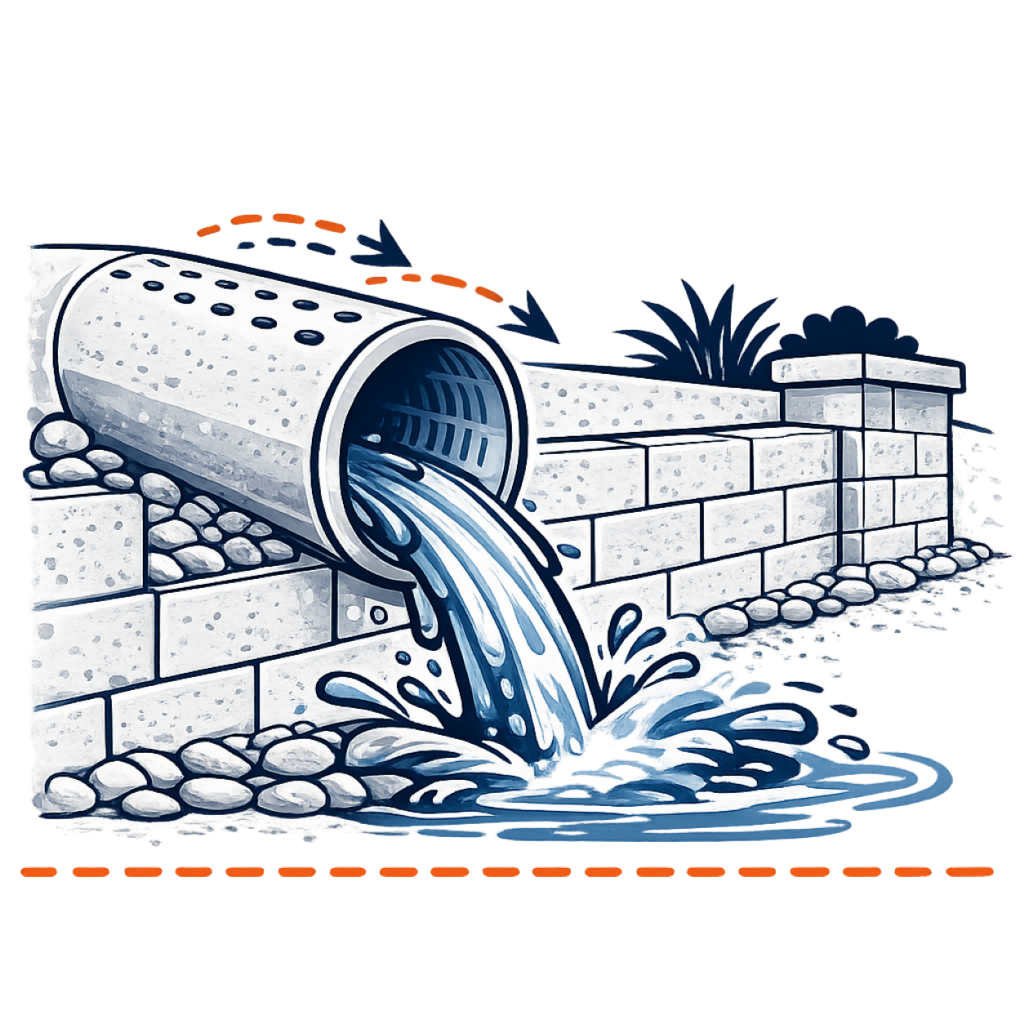
Integrated drainage systems designed to manage water flow, reduce hydrostatic pressure, and prevent erosion.

Commercial Retaining Walls icon

Commercial Retaining Walls

Heavy-duty retaining wall systems for commercial sites, roadways, and large-scale structural support projects.

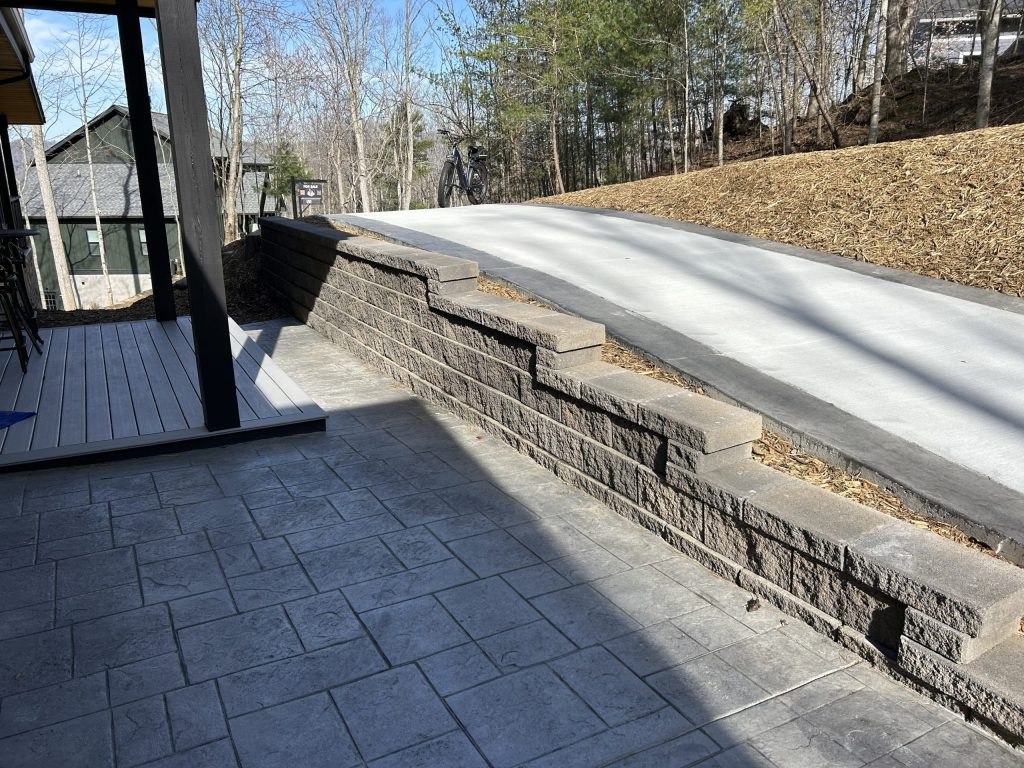
Residential retaining wall and driveway support installation in Pittsburgh PA

Retaining wall installation project in Pittsburgh, PA featuring a curved mortared block construction designed for long-term stability on sloped residential property.

Popular Retaining Wall Materials in Western PA

Retaining wall systems in the Pittsburgh area must be built to handle slope pressure, drainage requirements, soil movement, and freeze-thaw conditions common throughout Western Pennsylvania.

Versa-Lok Segmental Retaining Walls

Dry-stacked Versa-Lok segmental retaining wall systems are commonly used in Western Pennsylvania for their strength, flexibility, and performance in freeze-thaw conditions.

Ideal for Pittsburgh Hillsides

Versa-Lok segmental systems excel on the steep slopes common throughout the Pittsburgh metro area because they handle soil pressure and drainage effectively.
Learn More

Mortared Stone & Block Walls

Mortared natural stone and concrete block retaining walls are often used for structural support, landscape walls, and select hillside applications in the Pittsburgh area.

Best for Select Applications

Mortared wall systems can be a strong option when the project calls for a specific finish, tighter site conditions, or a design that complements surrounding masonry and hardscape features.
Learn More

Railroad Tie Wall Replacement

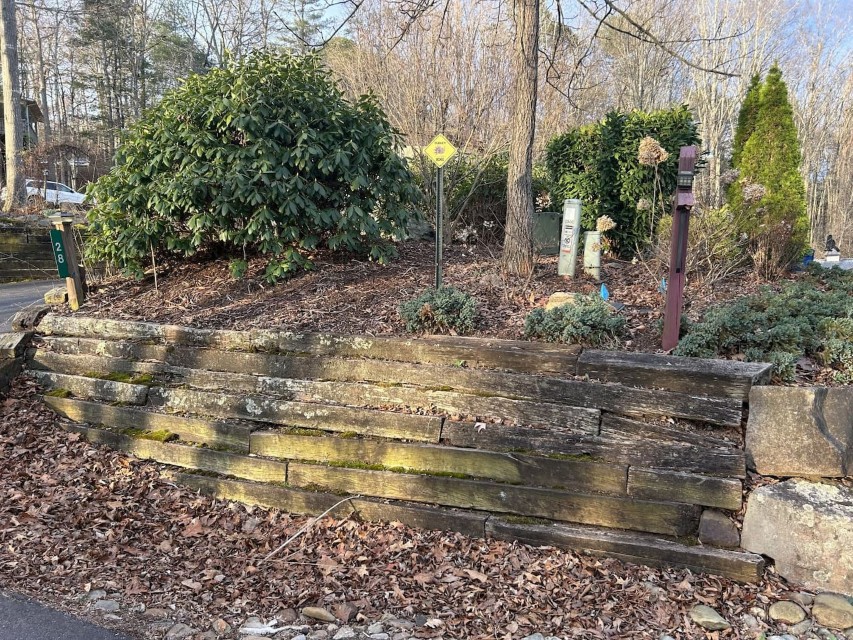
Many Pittsburgh-area properties feature retaining walls built with railroad ties in the 1990s and early 2000s. These systems typically reach the end of their functional lifespan after 15-20 years due to rot and structural degradation.

Common Signs of Railroad Tie Failure:

  • Visible rot or decay, particularly at ground contact points
  • Forward leaning or bowing
  • Separation between timber layers
  • Loose or missing tie connections
  • Soil erosion around or beneath the wall

The local Atlas Retaining Walls team specializes in replacing failing timber walls with modern segmental retaining wall systems – with Versa-Lok dry-stacked systems commonly preferred for their durability and performance in Western Pennsylvania conditions.

Advantages of Modern Segmental Systems:

  • 50-75 year expected lifespan
  • Resistant to rot, insects, and moisture damage
  • Designed to promote proper drainage and long-term performance
  • Aesthetically versatile with multiple finish options
  • Can be designed to match or exceed the capacity of the original timber wall
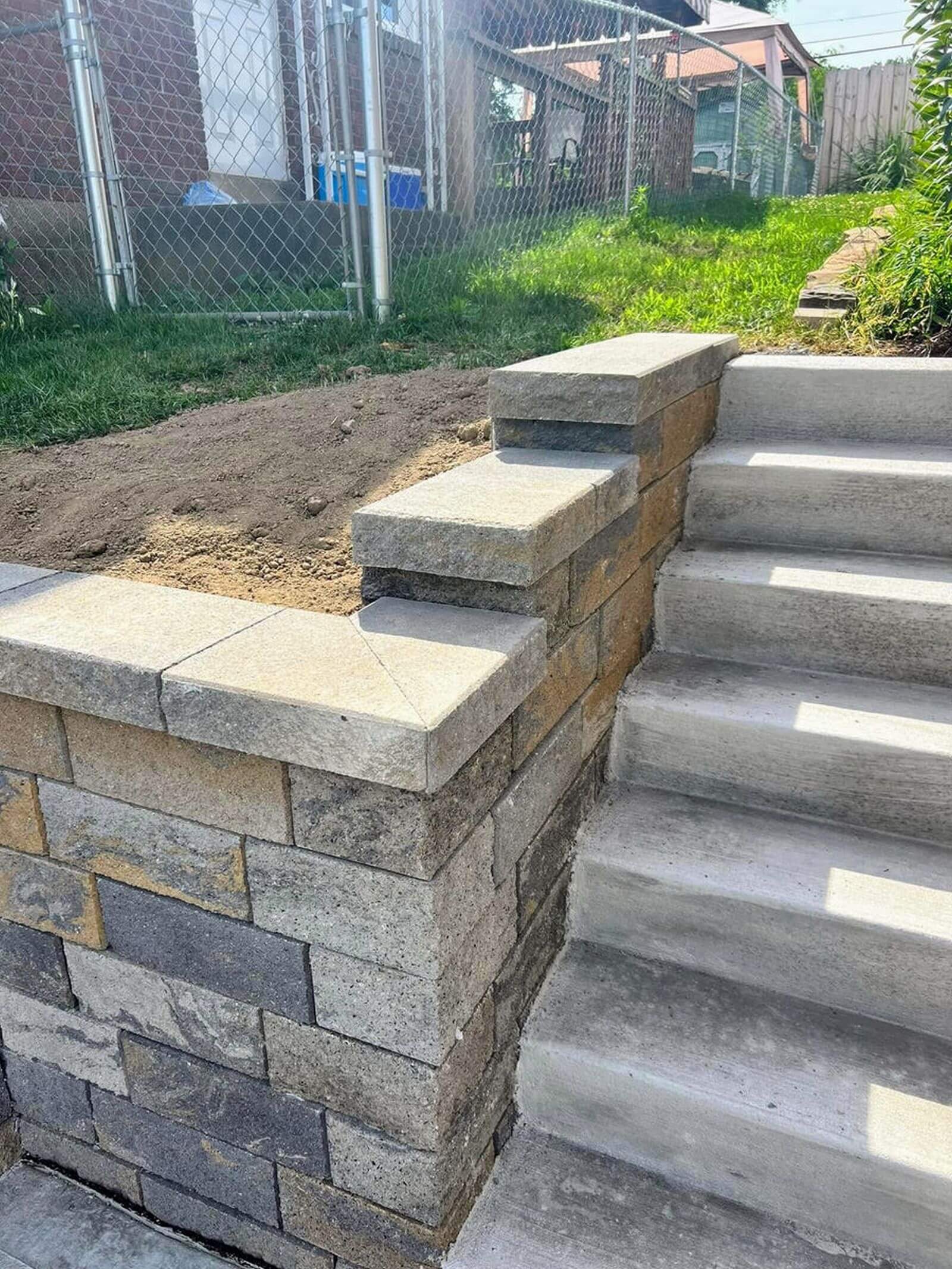
New retaining wall and stair system replacing a failing timber wall

Why Pittsburgh Homeowners and Businesses Choose Atlas

Our team brings over 20 years of experience in concrete and retaining wall construction. Our team has completed a wide range of residential and commercial projects across the region, from landscape retaining walls and patios to large-scale structural systems. We specialize in engineered retaining walls designed to handle Pittsburgh’s challenging terrain, soil conditions, and drainage requirements while delivering long-lasting, high-quality results.

What Makes Us Different

Built for Pittsburgh Terrain

Retaining walls in Western Pennsylvania must handle steep slopes, drainage challenges, and shifting soil conditions. Our team builds systems designed specifically for Pittsburgh properties.

Experienced Construction Team

With over 20 years in concrete and retaining wall construction, our team understands what it takes to build walls that remain stable and durable for decades.

Residential & Commercial Projects

From backyard landscape walls to large commercial retaining systems, we provide solutions tailored to the needs of each property and project scope.

Quality Materials & Craftsmanship

Every project is built using durable materials and proven construction methods to ensure long-term strength, stability, and performance.

What Property Owners Are Saying

Key Factors for Retaining Walls in Western Pennsylvania

Site Evaluation icon

Frost Depth Requirements

Pittsburgh’s frost line extends about 36 inches below grade, requiring proper foundation depth to prevent frost heave and long-term retaining wall movement.

Engineered Base Standards icon

Foundation Depth Considerations

Base preparation depends on the wall system, soil conditions, wall height, and site factors such as slopes or surcharge loads.

Regional Soil Calibration icon

Clay Soil

Western Pennsylvania soils retain moisture and expand when saturated, making proper base preparation and drainage critical for long-term stability.

Drain Pipe + Water Flow - Pressure Management icon

Drainage Management

Granular backfill, subsurface drain pipes, proper grading, and weep holes help relieve hydrostatic pressure and prevent retaining wall failure.

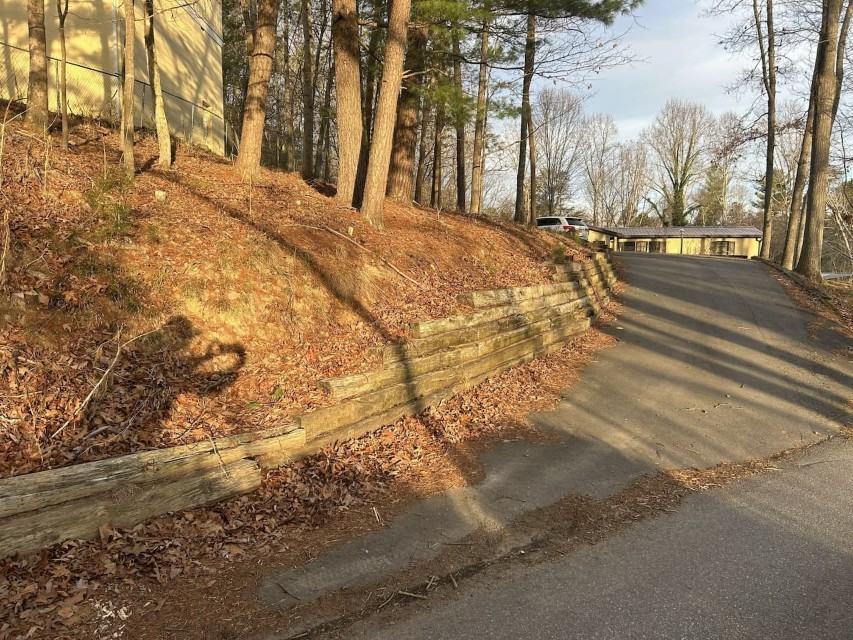
Multi-tiered retaining wall system on steep hillside in Pittsburgh PA
Retaining wall installation on hillside property in Pittsburgh designed for slope stability

Steep Slope & Hillside Challenges

The regional topography creates unique challenges for retaining wall construction:

Access Constraints: Many properties have limited access for equipment, requiring specialized installation techniques and careful planning.

Multi-Tier Terracing: Steep slopes often require multiple retaining walls at different elevations to create usable space and manage drainage effectively.

Existing Infrastructure: Aging retaining walls, utility lines, and neighboring structures must be considered during design and construction.

Drainage Complexity: Hillside properties require careful attention to water movement patterns to prevent undermining existing structures or creating drainage problems for neighboring properties.

Pennsylvania Building Code Compliance

Pennsylvania retaining wall requirements vary by municipality, but most projects must follow structural, drainage, and permitting guidelines.

Requirement

Status

Wall exceeds 4 feet in height

Permit Required

Wall supports a driveway, structure, or steep slope

May Require Permit

Pennsylvania-licensed engineering drawings

Sometimes Required

Project Consultation Process

Step 1

Site Evaluation

Initial assessment of existing conditions, including slope, soil type, drainage patterns, access, and proximity to structures or property lines.

Step 2

Design Approach

Based on site conditions, a wall system is selected and designed. For walls requiring permits, engineering coordination is arranged as needed.

Step 3

Construction

Installation proceeds in phases: site preparation, foundation installation, drainage system, wall construction, backfill, and final grading.

Step 4

Completion

For permitted projects, inspections are coordinated with the building department. The property owner receives documentation of the completed work.

Permitting requirements may apply depending on wall height, location, and municipal regulations. Atlas Retaining Walls coordinates with local building codes, engineering requirements, and inspections when needed to ensure the project meets Pennsylvania guidelines.

Typical Retaining Wall Projects We Complete Locally

Backyard Terracing On Hillside Properties
Driveway Support And Parking Pad Construction
Railroad Tie Wall Replacement
Erosion Control On Sloped Yards

Commercial Retaining Wall Applications

Parking Lot Retaining Walls And Access Improvements
Office, Retail, And Light Industrial Retaining Walls
Multi-Family And Apartment Complex Terracing

Service Areas

Atlas Retaining Walls of Pittsburgh provides engineered retaining wall solutions for the following high-priority regions:
  • Mount Lebanon (Residential Terrace Stabilization)
  • Bethel Park (Hydrostatic Pressure Management)
  • Upper St Clair (Structural Hillside Support)
  • Cranberry Township (Commercial Site Development)
  • Wexford (Freeze-Thaw Resistant Foundations)
  • Robinson Township (Erosion & Slope Control)
  • McCandless (Custom Drainage-Focused Design)

In Western Pennsylvania, our installations focus on freeze-thaw durability and specialized drainage systems to handle the region’s clay soil and heavy precipitation patterns.

Explore more about our company on our About page.

Retaining Wall FAQs

How deep do retaining wall foundations need to be?

Foundation depth varies depending on the wall system and site conditions. Dry-stacked segmental systems like Versa-Lok have foundation requirements based on wall height, while mortared systems typically require footings below the local frost line (around 36 inches in this region). Specific requirements are determined during the design process based on your property’s soil, slope, and manufacturer specifications.

Walls over 4 feet in height typically require permits under the Pennsylvania Uniform Construction Code. Walls supporting driveways or structures may need permits regardless of height. We confirm exact permit requirements during the initial consultation based on your specific project and local municipality.

Railroad tie walls over 15 years old that show signs of rot, leaning, or structural movement are usually better candidates for replacement rather than repair. A structural assessment of your wall helps determine the most appropriate and long-lasting approach for your situation.

Segmental retaining wall systems (like Versa-Lok) perform well in freeze-thaw conditions because they handle minor soil movement without cracking and provide excellent drainage. The best material ultimately depends on your wall height, site conditions, aesthetic preferences, and budget.

Construction timelines vary based on project size, wall height, site access, and weather. Small residential projects often take 2–4 days, while larger or more complex projects may require 1–2 weeks. Permitting typically adds 3–6 weeks to the overall timeline, depending on the municipality.

The most common causes are inadequate drainage (leading to hydrostatic pressure), foundations affected by frost heave, and material failure (especially in aging timber walls). Proper drainage design and appropriate foundation depth are essential for long-term performance in areas with challenging soil and weather.

Yes. Freeze-thaw cycles cause soil expansion and contraction, which puts significant stress on retaining walls. Proper base preparation, adequate foundation depth, and effective drainage systems are critical to prevent movement and damage over time.

Drainage is addressed by using proper backfill material, gravel layers, and perforated drainage pipes behind the wall. This setup relieves water pressure and helps prevent long-term failure, especially in regions with heavy rainfall or poor natural drainage.

Have More Questions?

Visit our Retaining Wall FAQ for answers about our process, materials, local building codes, permitting, and more.


0/5 (0 Reviews)
1
Step 1
2
Step 2
3
Last Page

GET A FREE ESTIMATE

What kind of project is this? *
What is your relationship to this property? *

Have you been awarded this project? *
What are your payment terms? *

What service can we help you with?

Total Length (FT) *
Height (FT) *
What type of wall?
Details (Size, Type of Job, Etc.) *

1
Step 1
2
Step 2
3
Last Page

GET A FREE ESTIMATE

What kind of project is this? *
What is your relationship to this property? *

Have you been awarded this project? *
What are your payment terms? *

What service can we help you with?

Total Length (FT) *
Height (FT) *
What type of wall?
What location is closest to you? *
Details (Timeline, Installation or Replacement Specifics, Material Preferences, Etc.) *